A prospectus is written to enrol students. That is not a criticism — every school produces one and they would be foolish not to present themselves well. But it does mean the document is answering a different question from the one a parent is asking.
The parent wants to know what daily life is like and what the year will cost. The prospectus wants to convey excellence. The gap between those two aims is where the useful reading happens.
Specificity is the signal
Almost every prospectus says the school is committed to excellence, holistic development and discipline. Those sentences appear in all of them and therefore distinguish none of them.
What varies is the specific: the number of streams per year group, which subjects are offered at which level, how many periods a week a subject gets, what the boarding routine is. A school that publishes those has made a claim you can check. A school that only publishes adjectives has not.
Follow the electives
For a senior high school, the most consequential thing in the document is which elective combinations are actually offered and run.
"Offered" and "runs every year" are different statements. A combination listed in a prospectus that has not run for two years because too few students chose it is not available to your child in any practical sense. It is a fair and answerable question to ask which combinations ran last year and how many students were in each.
Read for specifics, not adjectives. Ask which elective combinations actually ran last year, get the full-year cost including everything excluded from the headline fee, and visit if you possibly can — half an hour on site tells you more than the whole document.
The cost section is almost never the cost
Fee tables in prospectuses tend to cover tuition and boarding, and to sit some distance from uniform, books, examination fees, transport, activity charges and one-off levies.
Ask for the full annual figure with everything included, and ask separately what is not included — that second question is the one that surfaces the rest. A school that answers both plainly is telling you something about how it will handle money questions later.
| What it says | What to ask |
|---|---|
| "Well-equipped science laboratories" | How many practicals per term does a student actually do? |
| "Experienced, dedicated staff" | What is the class size in the subject we care about? |
| "Excellent WASSCE performance" | Performance in which subjects, over which years? |
| "A range of elective options" | Which combinations actually ran last year? |
| "Modern boarding facilities" | How many to a dormitory, and what is the daily routine? |
| A headline fee | What is the full-year total, and what is excluded? |
Results claims need a denominator
A pass rate without the number of candidates behind it can describe almost anything. So can a list of top performers, which is a selection rather than a distribution.
The more informative question is how the typical student does, not the best one. Ask about subject performance across the cohort, and treat a school that will not discuss it as having answered.
Photographs are the least reliable part
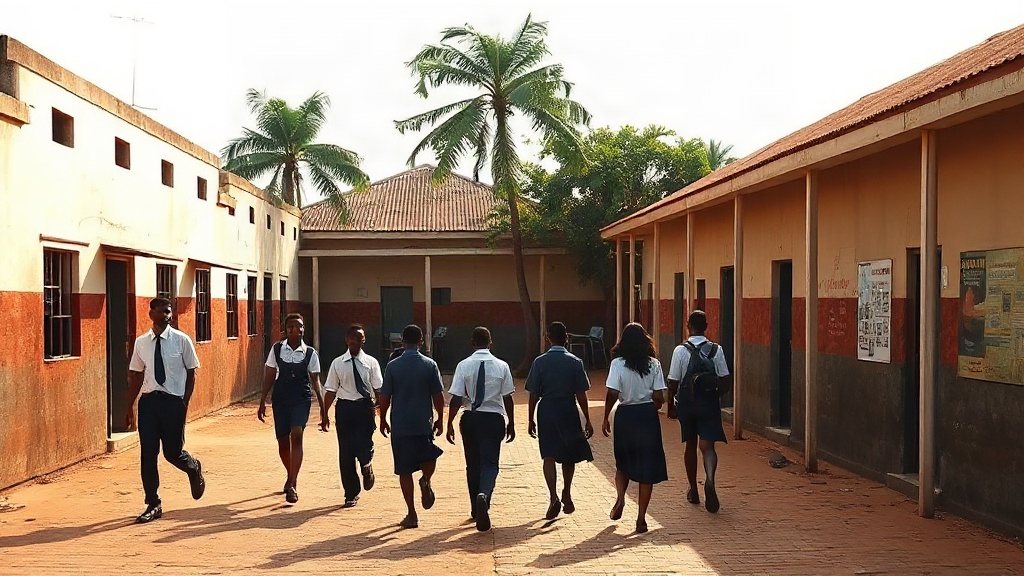
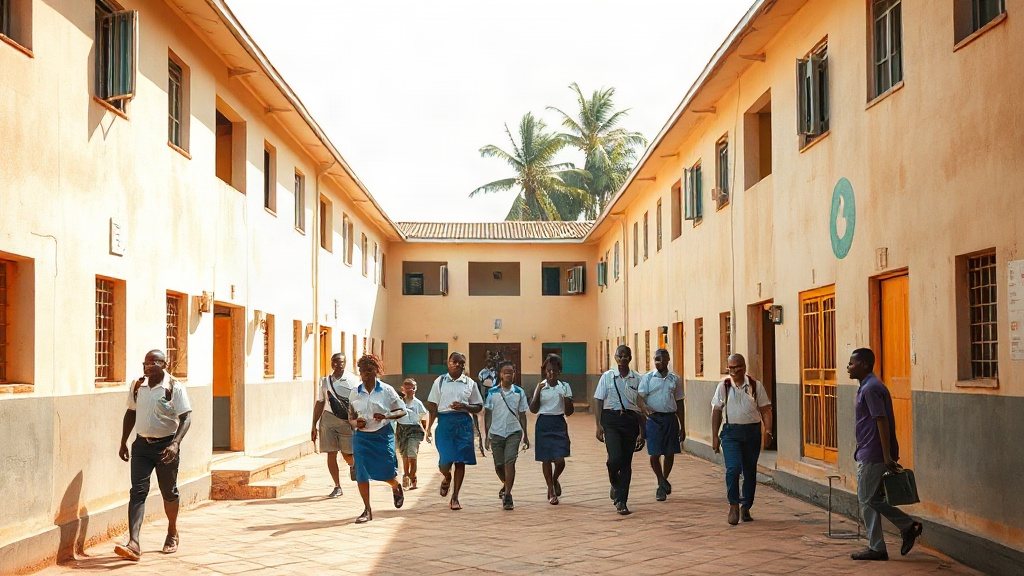
Prospectus photography is chosen, staged and often years old. A laboratory photographed in use tells you the room exists, not that it is used weekly.
This is the strongest argument for visiting. Thirty minutes on site during a normal school day tells you more about the state of the facilities and the atmosphere than the entire document, and most schools will accommodate a visit if asked.
Check what happens when a student struggles
Prospectuses describe the school's ambitions for its strongest students in some detail and its arrangements for its weakest almost never. Both exist in every school.
Ask what happens to a student who falls behind in a subject: whether there is remedial provision, whether parents are told early or at the end of term, and who is responsible for noticing. The answer tells you how the school will treat your child on their worst term rather than their best, which is the term that actually matters.
Talk to a parent who is already there
The prospectus is the school's account of itself. A current parent will tell you about the things that never appear in one: how communication works when something goes wrong, whether extra charges arrive mid-term, how the school handles a struggling student.
That is the information the document cannot give you, and it is usually the information that decides whether a family is happy with the choice two years later.